
Explore the core principles and six examples of customer segmentation, and follow a seven-step framework to build and validate a repeatable customer classification model.
Segmentation is simply dividing a market or customer base into distinct groups that share similar needs or habits. More precisely, it isolates the groups most likely to respond in the same way to your product, pricing, and marketing.
Take something as basic as food. Some people choose the cheapest option, some care most about flavour, some want whatever is quickest, and others want a bit of everything. Because their priorities differ, using a tailored approach for each group often yields better results than relying on a single, one-size-fits-all campaign.
That is the challenge segmentation solves, and it works at two levels. At the broad market level, you split everyone who could buy from you, including non-buyers and competitor loyalists, into distinct groups to find the slice most worth building for. At the existing customer level, you apply that same logic to your current buyer base, so you can tailor how you serve, price for, and market to each group.

This article walks through how segmentation drives business results, the six common segmentation types, and a straightforward seven-step process to build a model you can apply to every customer from now on.
Unlocking value through segmentation
Most product categories already have competition, and consumers have different needs and preferences, so it is more effective to focus on selected segments than to chase every buyer at once. Even in a brand-new category with no competitors yet, the same principle applies: starting with the most promising group allows you to build momentum before expanding further.
Compete on brand strengths
Segmentation narrows your focus to a specific target group without necessarily shrinking your overall market potential. When you spot an underserved market segment or a niche you genuinely fit, winning becomes much easier because your product solves their specific problems rather than simply competing to be the cheapest option on the shelf.
Maximise revenue with smarter pricing
Consumers often hold very different perceptions of a product’s value. Segmentation reveals where those differences sit, making it easier to tailor pricing to what each group is actually willing to pay, rather than setting a single price that risks leaving money on the table.
Optimise resource allocation
Segmentation also reveals where your marketing and operational investments are likely to yield the highest return. Instead of spreading your resources across every opportunity, you can concentrate spending on the customer groups that offer the highest long-term value to your business.
Sharpen your messaging
In an attention economy full of generic content, segmentation is what makes genuine personalisation possible in the first place. An offer crafted for a specific, well-understood audience generally converts better than a broad campaign aimed at everyone.
Common types of segmentation
There are many ways to split a market or customer base. The six core frameworks below apply whether you are analysing the broader market or evaluating your existing customers. Most high-performing segmentation models combine two or three of these lenses rather than relying on just one.
Demographic segmentation
Demographic segmentation groups customers by traits like age, gender, income, occupation, and education. It offers a fast, cost-effective starting point because the data is readily available.
On its own, however, demographic data shows you who your buyers are, but it rarely reveals why they buy. Two people with the same age, income, and location can have completely different reasons for choosing a product.
Geographic segmentation
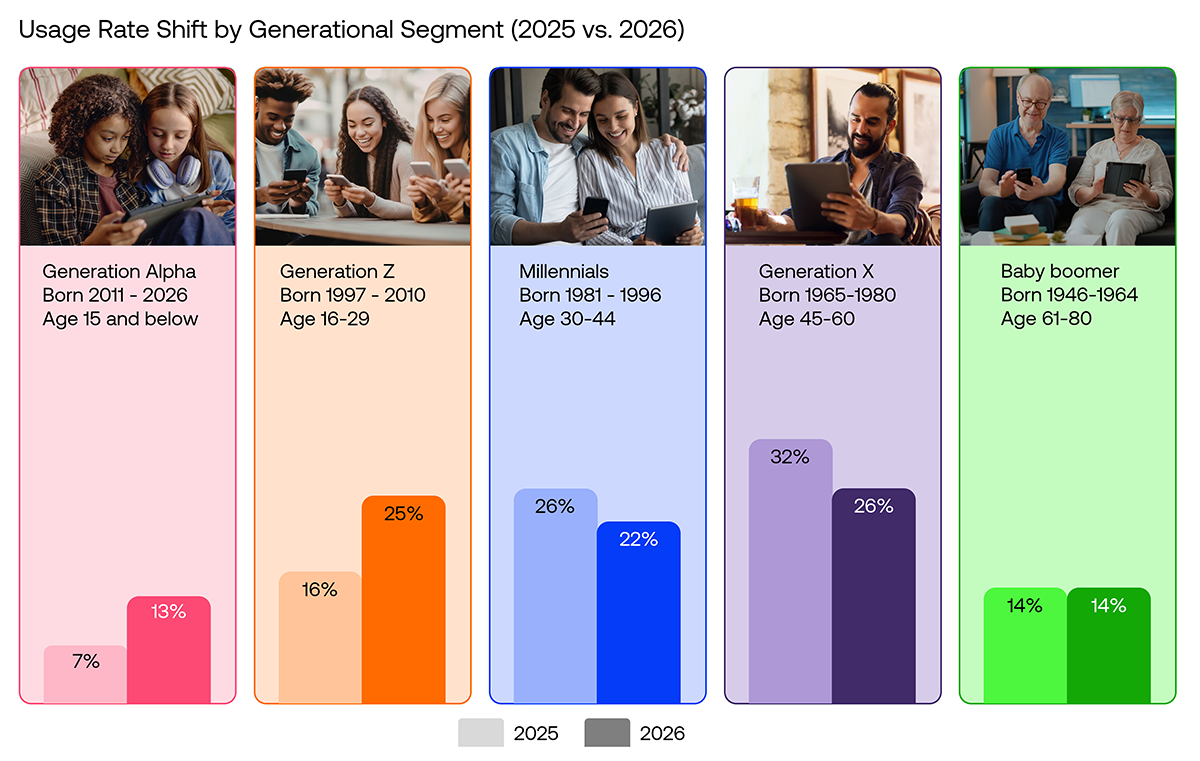
Geographic segmentation groups customers by location, climate, population density, or regional characteristics. It helps businesses align product availability, messaging, and logistics with local market demand.
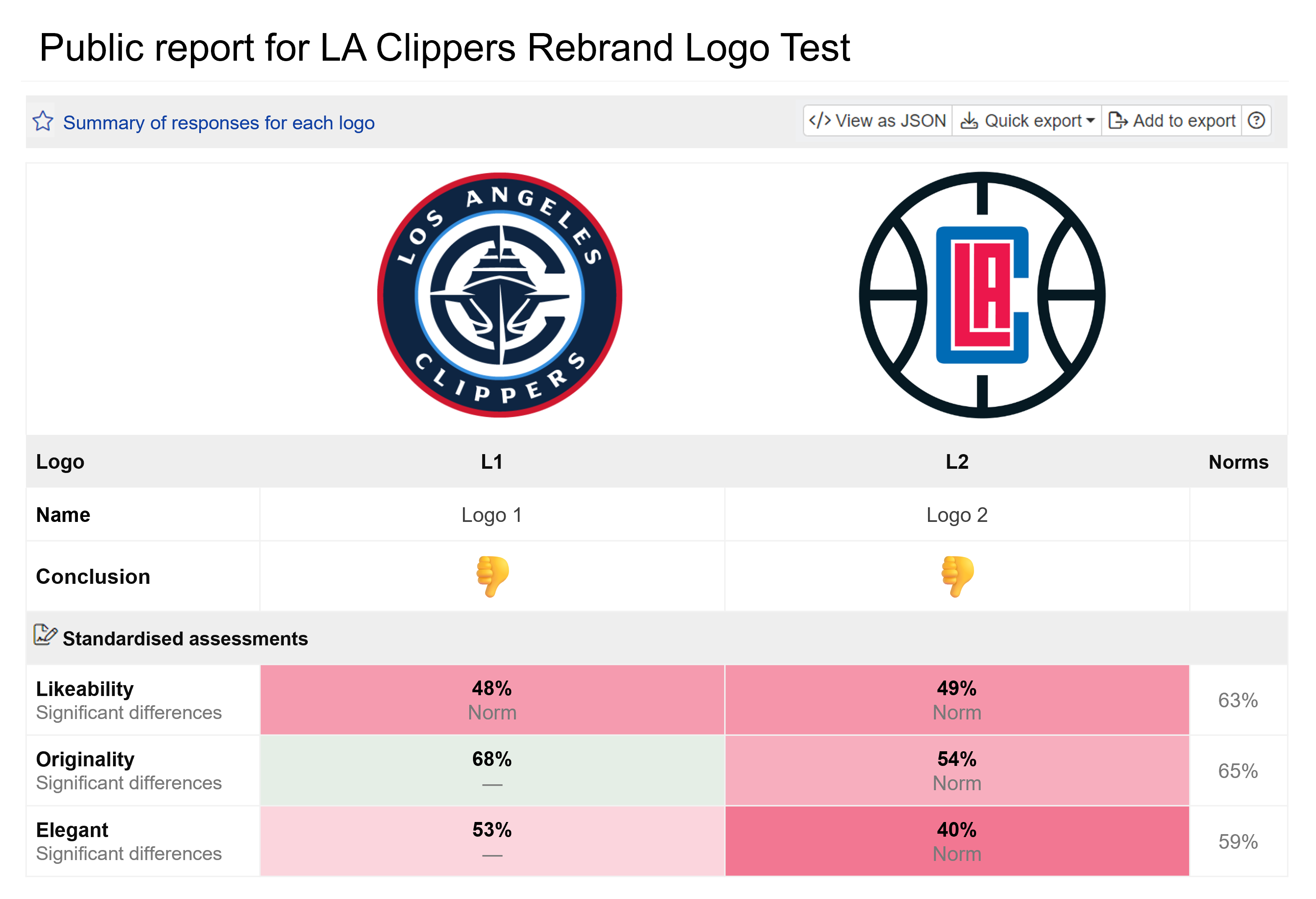
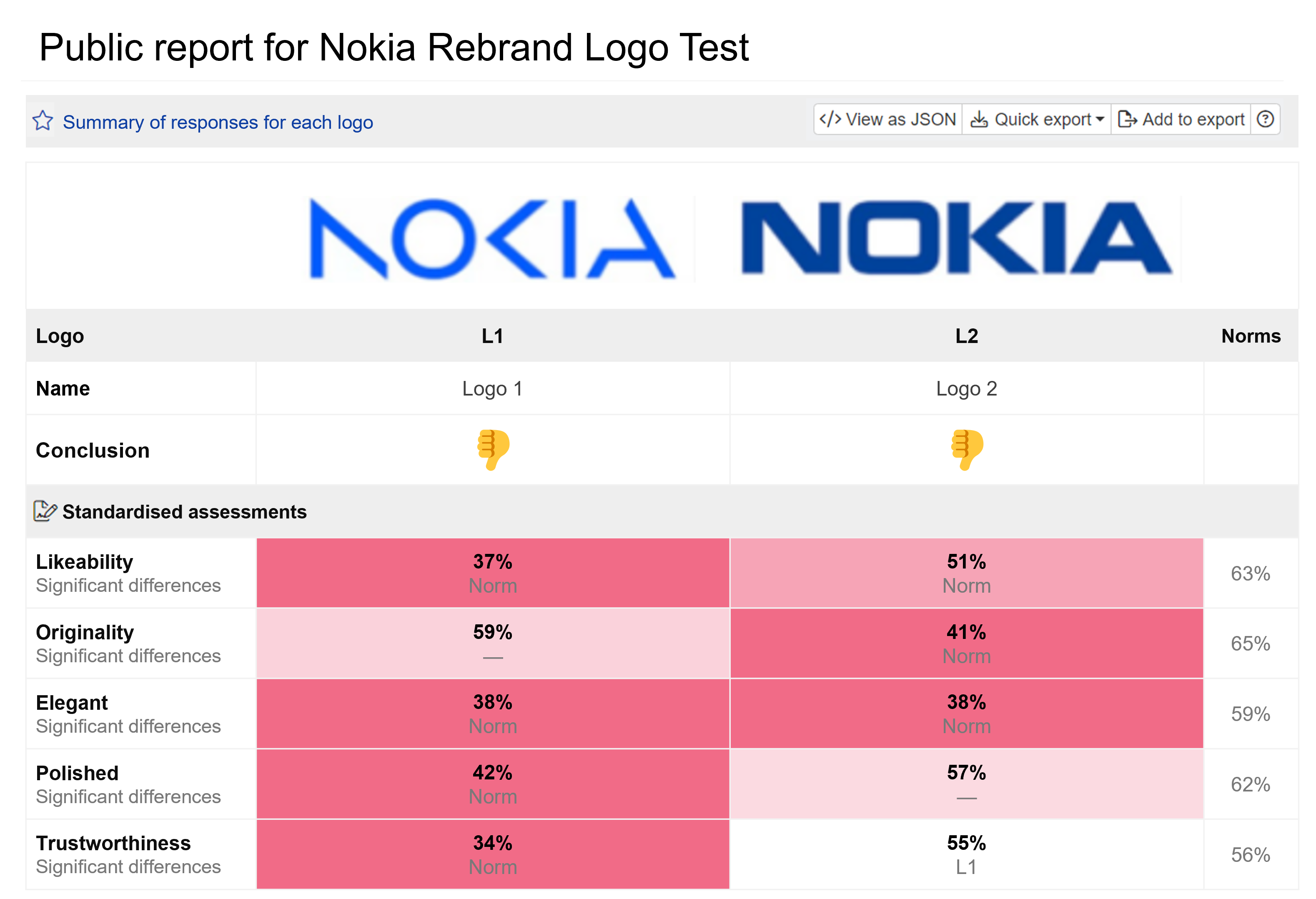
Many businesses segment broadly by country, state, or climate region, while others go deeper into postcode-level foot traffic or local weather patterns when that degree of detail adds real value to their operations.
Behavioural segmentation
Behavioural segmentation groups customers by what they actually do, including purchase habits, usage rate, and brand loyalty. Focusing on actions provides a strong advantage because past behaviour is often a reliable indicator of future intent.
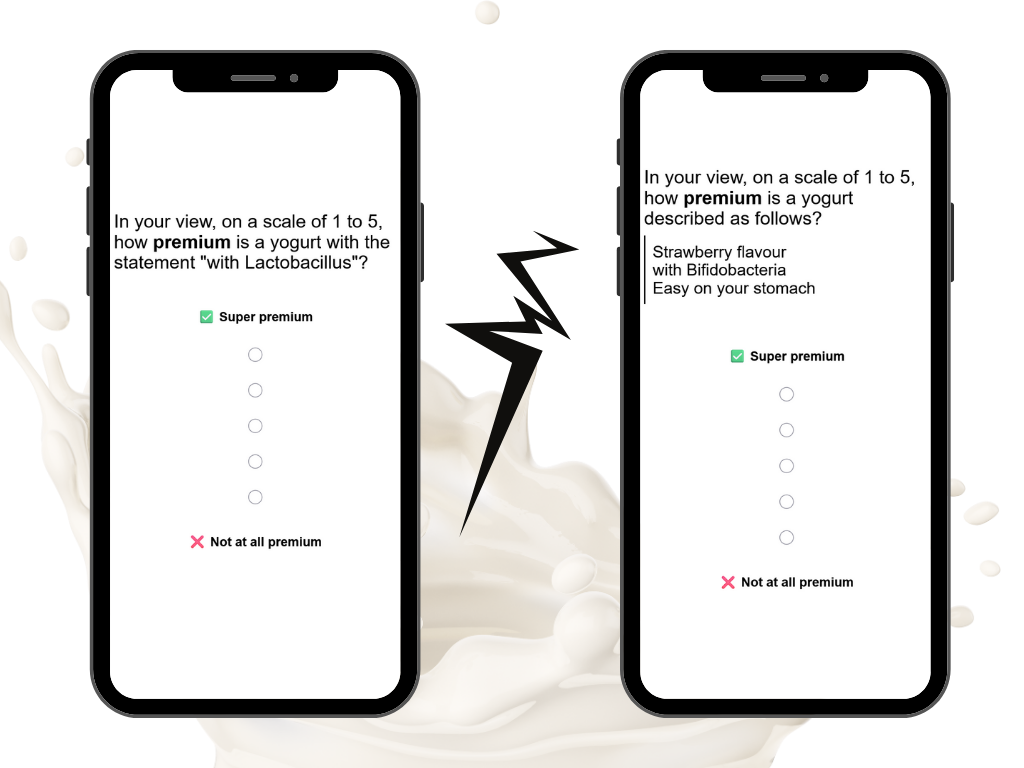
This approach is not restricted to established category or customer bases. Market research can measure media habits, category usage, or decision-making styles, enabling new brands to segment prospects effectively before making their first sale.
Psychographic segmentation
Psychographic segmentation groups customers by values, lifestyle, attitudes, and interests. This framework explains the underlying motivations behind purchases, filling the gaps that demographic and behavioural data leave open.
These nuanced insights are generally best uncovered through direct market research, such as qualitative interviews or targeted surveys, giving you a clear view of what truly drives customer decisions.
Firmographic segmentation
Firmographic segmentation is the B2B equivalent of demographics, grouping business customers by company size, industry, revenue, and tech stack. It helps qualify leads and route opportunities to the right teams.
Because metrics like headcount and revenue can change quickly as companies scale, firmographic segmentation delivers the greatest value when paired with operational needs or buying intent.
Needs-based segmentation
Needs-based segmentation groups customers by the specific problem they want to solve or the primary benefit they seek. It directly shapes product development and value propositions by aligning your offer with the concrete goals of the buyer.
Because customer needs are often complex and multi-layered, this approach relies on dedicated market research and draws on the other five lenses to reveal what truly drives a purchase decision.
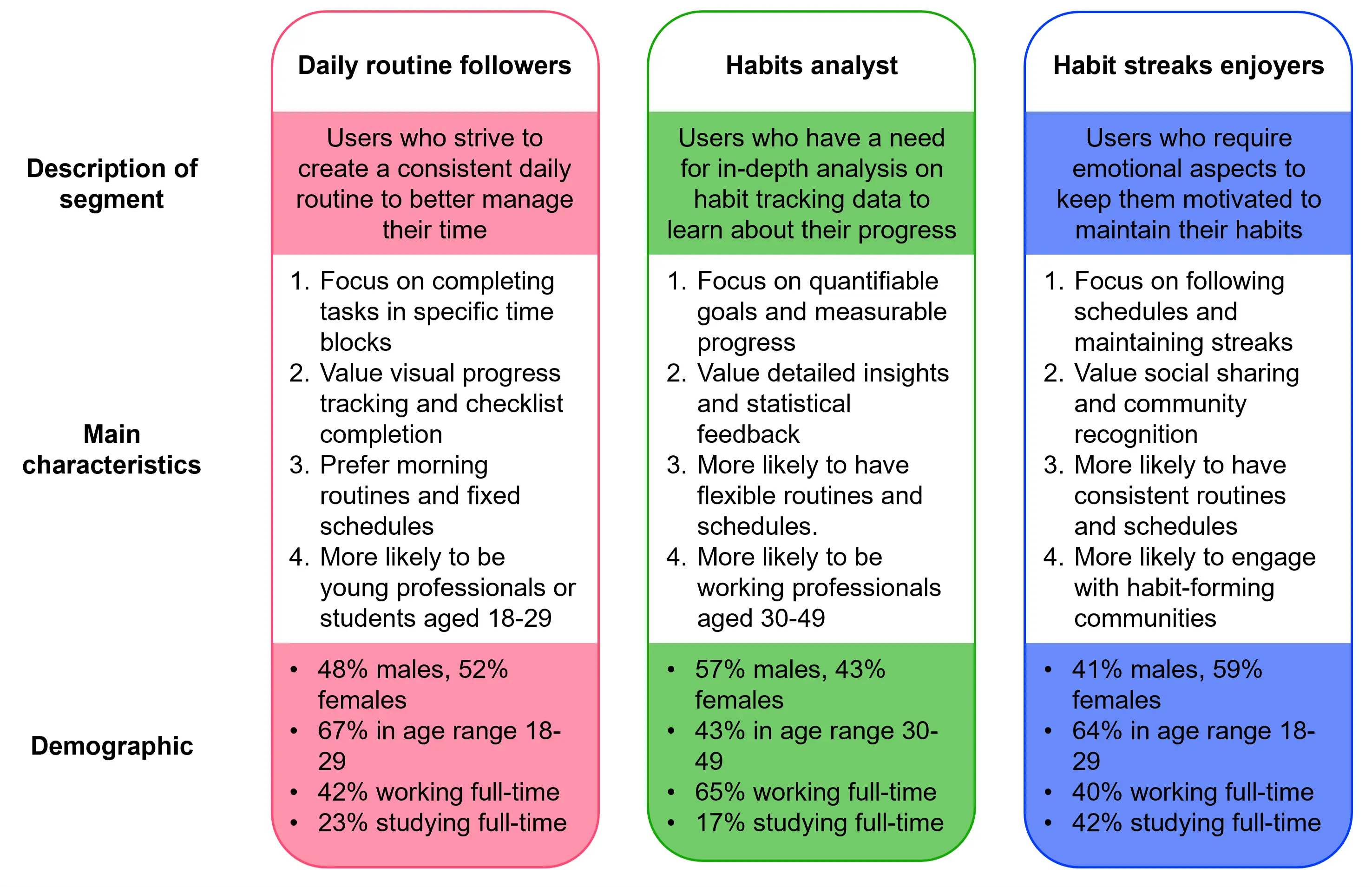
While each lens offers distinct value, the most actionable segmentations combine two or three of these approaches with market research, tailoring the segmentation model directly to your unique business goals and customer realities.
Building a validated segmentation model in 7 steps
A structured process is what turns a segmentation exercise into an actionable model. Follow it properly and you get reliable results, along with a typing tool that can be reused consistently across future surveys.
1. Define the objective
Decide what decision the segmentation needs to inform, and who the candidate segments might be, before a single piece of data gets collected.
2. Field a purpose-built survey
A proper segmentation study uses questions chosen specifically for their power to separate one segment from another. If you are segmenting existing customers, blend fresh research inputs with your internal CRM and sales data to get a complete view of both who your customers are and how they actually behave.
3. Run and compare clustering methods
Feed the survey responses into more than one clustering algorithm, such as k-means and latent class analysis, to sort respondents into candidate groups based on which answers move together. Each method will produce a different split, so run enough of them to have real options to compare rather than accepting the first output.
4. Pick the clearest structure
Compare the candidate splits against the objective from step 1. The segments must differ meaningfully on the variables that drive your business decisions, while remaining large enough to be commercially viable.
5. Build the classification model
Based on the defined segments, a predictive model is built using statistical techniques. This condenses the original research into a short classification tool that instantly places new customers into their segment without needing the full survey.
6. Validate the model
Test the classification formula on a fresh sample of respondents to ensure it accurately assigns people to the right group.
7. Deploy the model
Format the final classification model into practical tools your team uses day to day, such as a spreadsheet calculator, a live survey script, or an integrated CRM workflow.
Building a reliable segmentation model relies on sound methodology and thorough testing. From picking the right initial questions and sample size to selecting the best clustering approach and validating your final formula, small details make a big difference in how trustworthy your results will be.
Conjointly offers full-service execution to design, run, and validate your custom segmentation typing tool, handling the complex statistics so you end up with a clear, ready-to-use formula.
Already have existing segmentation data? Conjointly’s research team can review what you have and confirm the best next step to convert it into a validated typing tool. Schedule a consultation.
Frequently asked questions about customer segmentation
What’s the difference between market segmentation and customer segmentation?
Market segmentation covers everyone who could buy the product, including non-buyers and people using competitors. It guides high-level strategy, such as product development, brand positioning, and entering new markets.
Customer segmentation narrows that down to a brand’s own existing customers. It guides tactical decisions like retention campaigns, pricing tiers, and cross-selling strategies.
How many segments should a business have?
In practice, most actionable models land between three and six segments. Fewer than three usually overlooks valuable distinctions in your audience. More than six often creates groups that are too small or similar to justify separate product lines, pricing structures, or marketing campaigns.
Is a customer segment the same thing as a buyer persona?
No. A segment is a statistically validated, data-backed group of buyers. A persona is a creative summary (often given a fictional name, photo, and back-story) used to make that data easier for internal teams to discuss and design for. Personas are a helpful storytelling tool built on top of a segment, but they cannot replace the underlying statistical groundwork.